Tag: job site

  • Cheap Materials That Cost More Later

    Cheap Materials That Cost More Later

    Last updated: May 8, 2026

    Cheap is not the enemy.

    Wrong cheap is the enemy. There is a difference.

    The quick answer

    Use budget materials where failure would be annoying, not dangerous. Do not cheap out where water, structure, heat, height, electrical, gas, vehicle safety, or code is involved. The cheapest part of a job can become the most expensive part if it fails.

    Human Salt

    Construction and DIY taught me that “good enough” is sometimes fine and sometimes a warning siren. The trick is knowing which one you are dealing with before the wall is closed, the ladder is up, or the weather gets in.

    The scaffolding D’oh taught me to respect small choices. A simple miss can change the day.

    The mistake people make

    They judge the material by the price tag instead of the job it has to do.

    A cheap trim board might be fine in the right place. A cheap fastener, seal, hose, bracket, or safety part in the wrong place can cost you twice.

    The better move

    1. Ask what happens if this part fails.
    2. Spend more where failure causes water, fire, injury, or code trouble.
    3. Save money on cosmetic parts when safe to do so.
    4. Read the manufacturer instructions before substituting materials.
    5. When in doubt, ask someone qualified before closing the job up.

    Watch the line

    Do not treat internet shortcuts as permission to ignore building code, manufacturer instructions, or safety requirements. Cheap is fine. Unsafe is not.

    Homer’s bottom line

    Save money where it is smart. Spend money where failure gets ugly.

    Planning a job that needs permits? Run the BC Permit Reality Check before you start swinging a hammer.

    Quick Poll

    Have you ever seen a small shortcut turn into a big repair?
  • The 10-Second Ladder Check

    The 10-Second Ladder Check

    Last updated: May 8, 2026

    A ladder does not need to be tall to hurt you.

    Most people know that. Then they rush anyway because the job looks simple.

    The quick answer

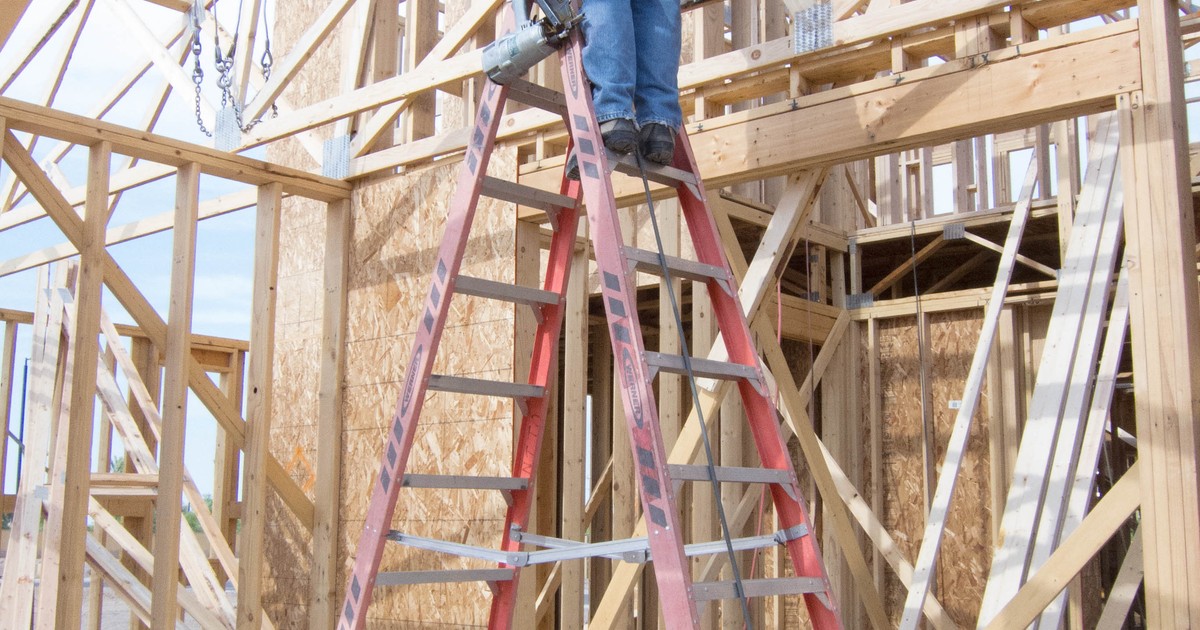
    Before you climb, take ten seconds and check the ground, the angle, the feet, the top contact, and your own hands. If any one of those is wrong, fix it before your boots leave the ground.

    Human Salt

    My scaffolding fall while doing cedar siding taught me that falling is fast and explaining it later is slow. You do not get extra points for rushing into a preventable mistake.

    The Watch Your Step rule applies to ladders too. Your next move is part of the job, not a break from the job.

    The mistake people make

    They trust the ladder because it held last time.

    But last time is not a safety inspection. Ground changes. Shoes change. Weather changes. Your energy changes. A small wobble at the bottom can become a big problem at the top.

    The better move

    1. Check that the feet are on solid, level ground.
    2. Check the angle before climbing.
    3. Check the top is secure and not resting on something loose.
    4. Keep three points of contact.
    5. Do not carry more than you can handle safely.

    Watch the line

    This is not a replacement for proper ladder training, fall protection, or workplace rules. If the job is high, unstable, electrical, or beyond your skill, get qualified help.

    Homer’s bottom line

    Ten seconds before climbing beats ten weeks wishing you had checked.

    Planning a job that needs permits? Run the BC Permit Reality Check before you start swinging a hammer.

    Quick Poll

    Have you ever seen a small shortcut turn into a big repair?
  • The 6-Foot Wake-Up Call: Why Your First Fall is Your Best Teacher

    The 6-Foot Wake-Up Call: Why Your First Fall is Your Best Teacher

    Last updated: May 8, 2026

    Six feet does not sound like much until you are the one falling.

    That is the thing about job site safety. Most lessons sound obvious after the damage is done.

    The quick answer

    Your first fall should be your last warning. Before you climb, step, reach, carry, or turn, check where your feet are going next. Safety is not one big speech before the job. It is a small habit repeated while the job changes around you.

    Human Salt

    I learned this doing cedar siding. I took a 6-foot fall from scaffolding.

    The ground does not care how experienced you are. It does not care that the job is almost done. It does not care that you were just taking one quick step.

    That fall taught me my Watch Your Step rule: before you move, check where your foot is going next.

    The mistake people make

    They only check the setup at the beginning.

    But job sites change. Scrap moves. Tools move. Boards shift. Someone sets something down behind you. Your own attention drifts because your mind is already on the next cut, nail, or measurement.

    The better move

    1. Stop before changing position.
    2. Look where your next foot will land.
    3. Check for gaps, cords, scraps, wet spots, and loose material.
    4. Keep three points of contact when climbing.
    5. Re-check after anyone else moves through your work area.

    Watch the line

    If a job involves heights, unstable ground, roofing, structural work, electrical work, gas, or equipment you are not trained on, get qualified help. A blog post is not fall protection.

    Homer’s bottom line

    A shortcut is only a shortcut if everybody gets home in one piece.

    Planning a job that needs permits? Run the BC Permit Reality Check before you start swinging a hammer.

    Quick Poll

    Have you ever seen a small shortcut turn into a big repair?