Last updated: May 8, 2026
Cheap is not the enemy.
Wrong cheap is the enemy. There is a difference.
The quick answer
Use budget materials where failure would be annoying, not dangerous. Do not cheap out where water, structure, heat, height, electrical, gas, vehicle safety, or code is involved. The cheapest part of a job can become the most expensive part if it fails.
Human Salt
Construction and DIY taught me that “good enough” is sometimes fine and sometimes a warning siren. The trick is knowing which one you are dealing with before the wall is closed, the ladder is up, or the weather gets in.
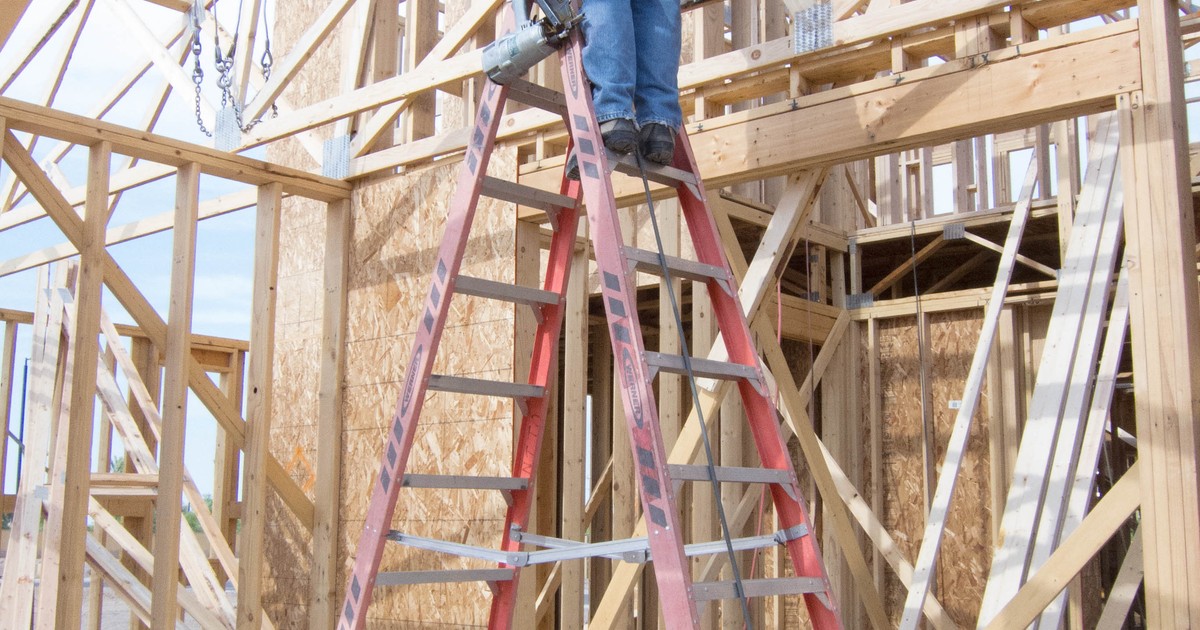
The scaffolding D’oh taught me to respect small choices. A simple miss can change the day.
The mistake people make
They judge the material by the price tag instead of the job it has to do.
A cheap trim board might be fine in the right place. A cheap fastener, seal, hose, bracket, or safety part in the wrong place can cost you twice.
The better move
- Ask what happens if this part fails.
- Spend more where failure causes water, fire, injury, or code trouble.
- Save money on cosmetic parts when safe to do so.
- Read the manufacturer instructions before substituting materials.
- When in doubt, ask someone qualified before closing the job up.
Watch the line
Do not treat internet shortcuts as permission to ignore building code, manufacturer instructions, or safety requirements. Cheap is fine. Unsafe is not.
Homer’s bottom line
Save money where it is smart. Spend money where failure gets ugly.
Planning a job that needs permits? Run the BC Permit Reality Check before you start swinging a hammer.
Quick Poll
Have you ever seen a small shortcut turn into a big repair?